




News & Articles
Browse all content by date.
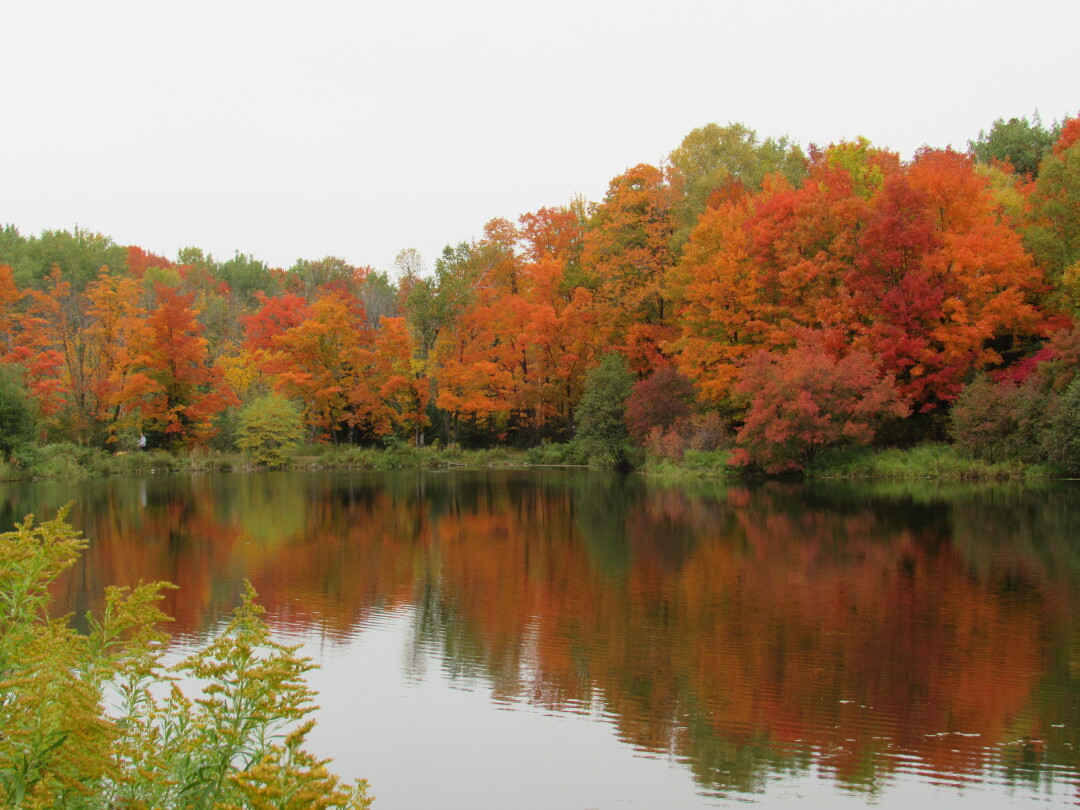
The Bagley Nature Area is one of three sites monitored in the Nature’s Timekeepers program.
As we get cooler nights, the question on the mind of many Minnesotans is when will fall foliage peak.
Many aspects of our lives are shaped by the seasons, whether it is determining the time for a trip up the North shore or scheduling a get together with friends to eat rhubarb pie.
Just like us, plants that live in northern Minnesota are also in tune with the seasons. Even before we see visible changes in leaf color, there are small changes happening inside trees that help prepare them for the winter.
Long-lived plants are able to survive our tough winters because they can sense changes in the weather and respond. In nature, timing is everything.
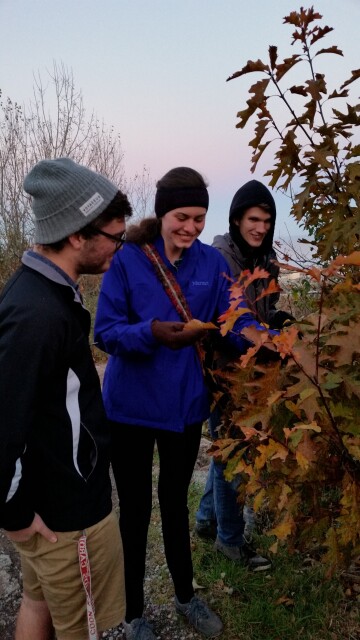
Phenology and our changing climate
Plants are often much better at tracking the progression of the seasons than we are. They depend on cues like temperature and day length and can respond to both rapid and gradual changes in the environment. The term that we use to describe the timing of natural phenomena like flowering or leaf out is phenology.
When the phenology of an organism is not suited to their environment, we say that there is a mismatch.
In our region, we are seeing some of the highest rates of winter warming in the lower 48 states. Winter warming has a different effect on plants and animals than warming at other times of the year because it can lead to a mismatch between phenology and the environment.
For example, a warm winter can lead to early leaf out, and as a result, dieback and frost damage. There is concern by scientists that warmer winters might lead to more frequent frost damage in the future.
However, this pattern, like many in nature, is dependent on the ecosystem and the climate.
How do we determine what the future will look like in northern Minnesota and how can we plan for more resilient habitats in the future?
To answer these questions, we need more information about our local plants, their phenology and how they are adapted to the local climate.
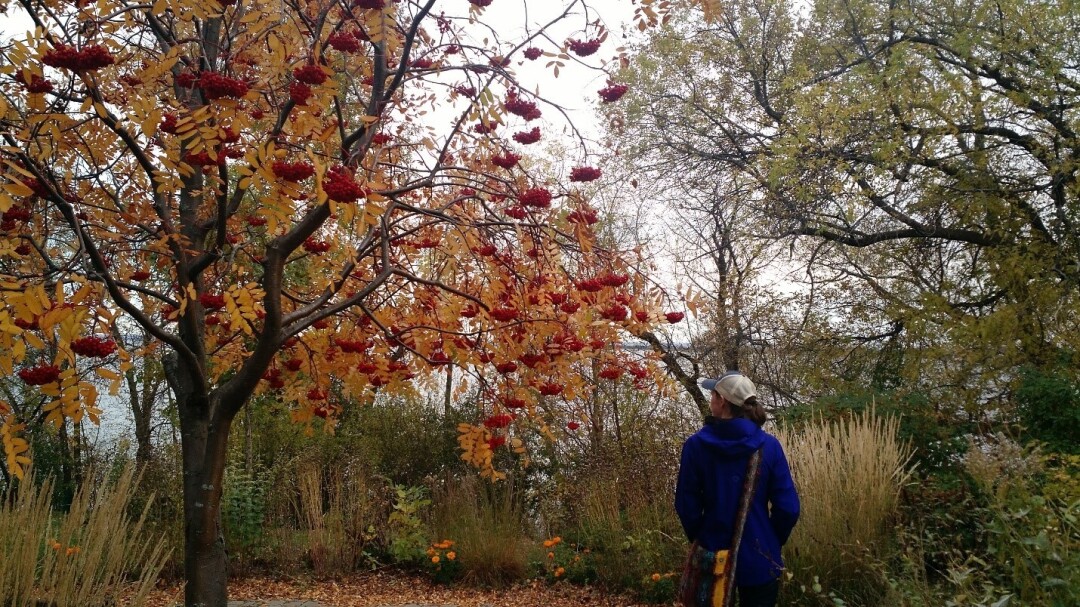
See it for yourself
If you want to understand how your backyard is changing in response to the climate, the simplest solution is to start making your own observations.
You can pull out a journal and take notes about when you observe bird migration, ice out or tree leaf out every year.
These types of observations often form the basis of what we know about climate change. You can also take this a step further and share what you find.
There are groups on social media like Duluth Nature Notes on Facebook where you can find a community of people that are interested in phenology. You can also record observations in an app like iNaturalist or apps designed for seasonal data like Nature’s Notebook or Project Budburst.
These apps not only pull together data from across the country, but they can also be accessed by scientists.
Why it matters!
As a scientist, the biggest challenge with studying how biology changes seasonally is getting enough data. Scientists cannot be everywhere all at once. This is where you can make a difference!
Whether you are monitoring invasive species, changes in leaf color or participating in a Christmas bird count, you are collecting data that can help us better understand our world.
Hundreds of scientific studies have been published using data collected by volunteers and community scientists, and the number is ever increasing.
There are also other uses for phenology data. The National Phenology Network uses data from Nature’s Notebook to create resources like the “Status of Spring” tracker and the “Pest Forecasts.”
These resources are updated every year so that you can track the start of spring across the country or monitor outbreaks. There are also tools for graphing data like the “Phenology Visualization Tool.”
I use this tool in classes and workshops because it allows you to ask and test scientific questions about phenology!
Phenology in your backyard
Minnesotans have a long history of observing nature and being stewards to the land. There are many regional groups that have documented and continue to observe local species of interest, sites or questions that affect people and communities in the northland.
Building on this long tradition, I started a monitoring program based in Duluth for trees called Nature’s Timekeepers.
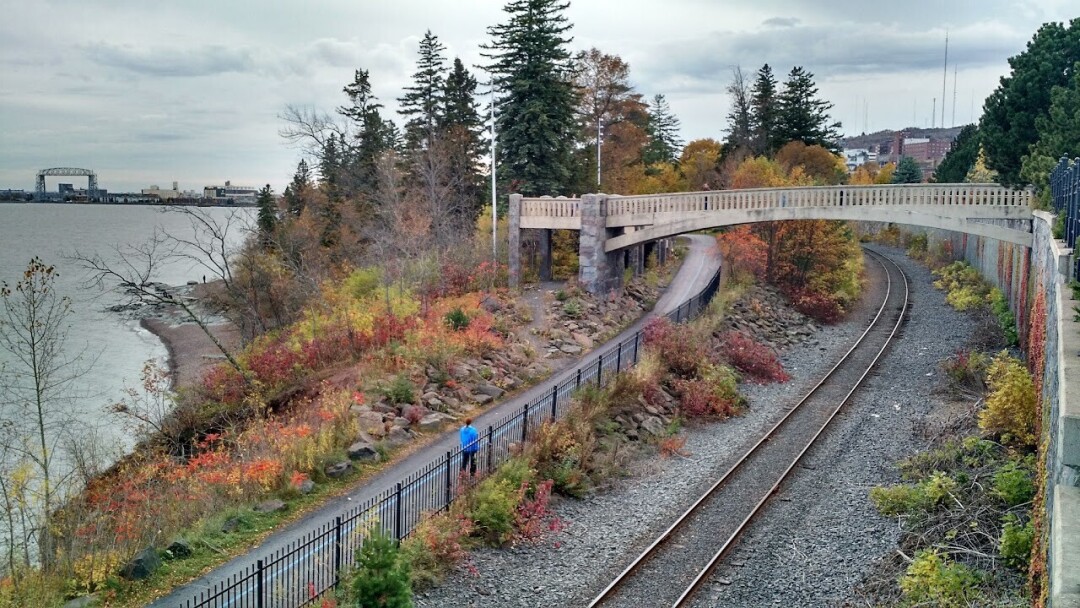
In this program, I collaborate with volunteers who monitor trees at three sites (Lakewalk, Bagley Nature Area,and Boulder Lake Environmental Learning Center) throughout the year. The volunteers track the trees and record when trees develop leaves, flowers and even when their leaves turn color.
Our three sites are unique because they vary in how much their climate is impacted by Lake Superior.
As a result, the data we collect shows us how growth along the shore is different than inland. We see that the timing of leaf color change is later near the lake and leaf out is earlier inland.
We also see how much the lake temperature impacts the nearby land from year to year.
Because of the dedication of people like you, we are starting to understand how Lake Superior is impacting our forest, how our forests are uniquely adapted to life by the lake and what our forests will look like in the future.
In addition to thinking about climate change, our research is exploring what are the best trees to plant in coastal forests. You can contribute to this effort by becoming a timekeeper either in our program or on your own by recording phenology data.
You can make a difference in our understanding of the future!
If you want to learn more about Nature’s Timekeepers or using Nature’s Notebook, reach out to us at superiorphenologynetwork@gmail.com. We organize annual workshops in the spring for new volunteers or people who want to learn about monitoring phenology in their backyard.
Dr. Jessica A. Savage is an Associate Professor at the University of Minnesota – Duluth. Her expertise is in plant phenology, physiology and ecology. She is currently conducting research in coastal forests along the shore of Lake Superior. She is the founder of the community science program, Nature’s Timekeepers. She got her PhD from the University of Minnesota – Saint Paul.
| Tweet |