




News & Articles
Browse all content by date.
On Sept. 14, Climate>Duluth and the Duluth Citizens Climate Commission presented a new climate briefing to the city’s citizens and community leaders.
Titled “Duluth’s Long Emergency,” the climate briefing highlighted some of the most significant climate events in the past eight years. From the climate vulnerability assessment that was presented to Duluth’s city government in the spring of 2018 to the severe droughts and hazardous air quality alerts in northeastern Minnesota during the summer of 2026, it has become very apparent that we will be facing various challenges for many years to come.
In her article on Sept. 21 for the United Nations University’s Institute for Environment and Human Security, Stella Shumba wrote about the challenges we will face with a climate overshoot of the 1.5 degrees Celsius that was agreed upon at the Paris Agreement.
Shunba wrote, “every additional fraction of a degree increases the severity of climate impacts, while every additional year above 1.5 degrees Celsius prolongs exposure to them and increases the likelihood of crossing irreversible thresholds and adaptation limits.”
Stumba talks about the ongoing risks to our health, food security and shelter, along with concerns about growing inequalities and suggests that there are three paths to adaptation with climate change.
There needs to be an immediate response, coping and containment and long-term resilience.
This new climate briefing for Duluth provided an overview of the climate emergency that our city is currently facing and will continue to experience for quite a long time.
The atmospheric CO2 levels are still rising. There are a growing number of extensive wildfires and air quality alerts. And there are more severe droughts as well as waterways and reservoirs with lower water levels.
In their book Active Hope, Joanna Macy and Chris Johnstone talk about how we can strengthen our ability to respond to the multifaceted crisis and emergency of climate change. They wrote, “Strengths such as courage, determination, and creativity are drawn forth from us most when we rise to the challenges that evoke them. When we share our cause with others, allies appear; synergy occurs. And when we act for causes larger than ourselves, the larger community for whom we do this will be acting through us.”
Here in Duluth, how will we rise to the many challenges with climate change?
How can we draw upon our collective courage, determination and creativity to adopt a more climate resilient and sustainable approach to living in our city?
How can we find those opportunities to share our cause with others throughout the city and build collaborations and alliances to address climate change?
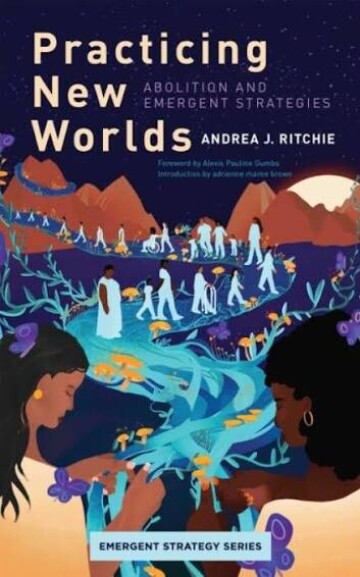
Andrea J. Richie, in her book Practicing New Worlds, proposes that we need a collective capacity, critical connections and communities of practice to move forward. We create new possibilities by finding opportunities to connect separate, local efforts into stronger networks of support and actions. In one of the essays for the book, Walidah Imarisha wrote, “We can’t build what we can’t imagine, so it is imperative for us to create spaces that allow us to infinitely stretch our understanding of what’s possible.”
At the Climate Town Hall on Thursday, Sept. 17, a roomful of people – including state senator Jen McEwen, city council member Terese Tomanek, the city’s new sustainability officer Annaka Peterson, and several members of the Energy Plan Commission – came together to explore and talk about imagining Duluth’s climate future.
In the creative space that evening a number of opportunities for our city were identified, including building a stronger base of news and information about climate change, a more extensive network for climate education and a bigger commitment to renewable energy.
Jetsunma Tenzin Palmo, a Buddhist nun who wrote Change Your Mind, Change Your Life, says that everything that happens to us, including natural disasters, is an opportunity to practice ways to transform adversities into the path of awakening.
Given the challenges we will be facing for many years, what are our opportunities in addressing climate change? How can we transform the adversities of this climate emergency into building a more livable and healthier city?
The challenges we are facing will become opportunities when we learn how to change and transform our lives, and the life of our city, to become wiser and more resilient, and thereby lead more sustainable lives in this climate change world.

| Tweet |