




News & Articles
Browse all content by date.
It was a very different morning. I had woken up around 5 am and within seconds I could smell smoke, my eyes started itching and I could feel a sore throat coming on.
Upon looking out the windows, there was a gray haze and I couldn’t see the downtown skyline.
We had already endured several days of hot and humid weather. Also, we were hearing about the growing number of wildfires in Canada and northern Minnesota.
The air quality index in Duluth started climbing, from more than 500 to 785 and then 1134.
On July 16, Reuters reported on the serious health risks associated with the wildfire smoke. Because wildfires are more toxic than normal air pollution, wildfire smoke can linger in the air for weeks and travel thousands of miles.
It also cited that along with particles of soil and different materials, wildfire smoke often contains traces of chemicals, metals, plastics and other synthetic materials. And wildfire smoke causes more inflammation and tissue damage than air pollution.
Just two days earlier, on July 14, Satish DeSai wrote a commentary for the Minnesota Reformer titled “This heat wave reminds us: We have no time to lose on climate.”
DeSai wrote that the climate crisis is here and that the rising carbon emissions is only making the crisis worse.
On July 17, Minnesota state senator Jennifer McEwen posted on social media that “the climate crisis is here - at our doorstep.”
Her post stated that we are experiencing longer dry periods, hotter temperatures and winters are changing.
And three days later, on July 20, the World Resources Institute shared an article about fires and the climate feedback loop.
Carbon emissions from fires increase as larger areas burn. Larger areas burn as fire seasons get longer and fires are more frequent and intense. Hotter, drier conditions dry out forests and make them more prone to fires.
What are we facing in Duluth?
While our immediate attention is on the wildfires and hazardous air conditions, there are a number of other climate change events taking place in our city and this region of Minnesota.
The CO2 levels in the atmosphere continue to rise. Regional and global temperatures increase each year. And at this moment, we are seeing severe droughts.
In his book Dangerous Years: Climate Change, the Long Emergency and the Way Forward, David Orr wrote, “We have adversely changed the atmosphere, lands, forests, and waters of the planet. We know, or should know, these things and we must clearly understand their implications. But we know better than we act, and that gap between what we know and how we behave has given rise to the long emergency that lies ahead.”
Orr talks about the cumulative impacts of carbon dioxide emissions – 25% of the CO2 released today will be affecting the climate for the next thousand years. And over the next thousand years, temperatures and sea levels will continue rising.
In Duluth, are we acting on what we know about this climate crisis? Are we effectively responding to the growing number of climate events that are impacting the public health and welfare of our citizens? Are we facing this climate reality or still trying to look the other way, convince ourselves that there’s nothing to worry about and we have plenty of time to deal with this?
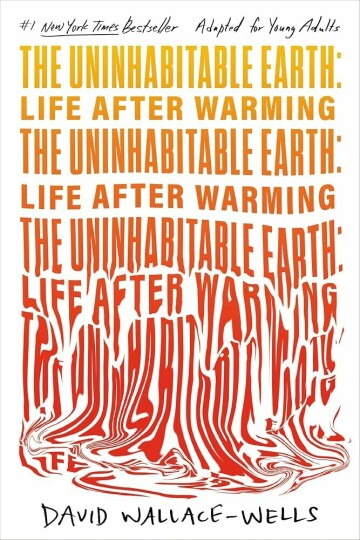
In the opening to his book The Uninhabitable Earth: Life After Warming, David Wallace-Wells wrote, “It is worse, much worse, than you think. The slowness of climate change is a fairy tale, perhaps as pernicious as the one that says it isn’t happening at all…”
Given the intensity and longevity of the climate crisis, how will Duluth face the wildfires, hazardous air conditions, droughts and rising temperatures in the coming years?
How will our city choose to respond and adapt to what is being called the long emergency?
How will we face this new climate reality with a greater sense of urgency, courage and compassion as all of us find a way to work together to create a more resilient and sustainable Duluth?

| Tweet |