




News & Articles
Browse all content by date.
At the Duluth City Council meeting on Monday, June 29, the council was planning to pass a resolution adopting a downtown development strategy. The strategy is a five-year work plan which will focus on four core elements: quality of life and safety, housing and economic development, neighborhood amenities and services, and infrastructure.
One of the plan’s goals is to build more than 1,000 new housing units.
At that meeting, council member Diane Desotelle introduced an amendment to the resolution which stated, “Whereas, plans, studies and resolutions adopted by the city of Duluth related to climate resiliency including Duluth’s Climate Action Plan (2022-2027), Duluth’s Climate Vulnerability Assessment (2018) and resolution 21-0256R Declaring a Climate Emergency in Duluth are important as we work to improve the health and sustainability of our community.”
After some discussion by various members of the city council, and an acknowledgement by all the members that climate change will continue to impact the city for the foreseeable future, the council unanimously passed the amendment to the resolution.
Several weeks ago, at a meeting of the Duluth Citizens Climate Commission, several of us noticed upon reading the downtown development strategy that there was no mention or reference to climate change, and in the strategy or work plan entitled “Imagine Downtown” where they listed the various studies and reports that were referenced in developing this strategy, they did not list any climate studies or reports.
It was at that moment that we decided to reach out to city council member Diane Desotelle.
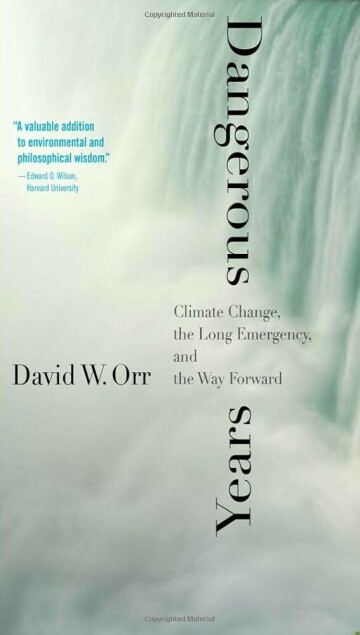
In the chapter titled “Cities In A Hotter Time,” from his book Dangerous Years: Climate Change, the Long Emergency, and the Way Forward, David W. Orr wrote, “The challenge then is to transition from organized, urban systems built on an industrial model and designed for an autocentric growth economy into adaptive and resilient learning organizations in a rapidly changing world.”
We definitely live in a rapidly changing world. The CO2 levels continue to rise. Global temperatures go higher every year. And the number of extreme weather events has significantly increased since 2000.
Given the growing impacts of climate change in our city and state, will this new “Imagine Downtown” plan for Duluth undertake an adaptive approach to carrying out this development strategy that will incorporate the principles of becoming a more resilient and sustainable city?
Will the city’s leaders and community make a collective commitment to climate education and climate literacy?
Here in Duluth, the winter months are not as cold. There are more air quality alerts from the wildfires in northern Minnesota and Canada. There are more droughts and water shortages. Lake Superior is experiencing warmer temperatures and has seen more microplastics and algae blooms.
The climate amendment in the resolution for the downtown development strategy is an important reminder and message to everyone working on this
strategy that we all need to acknowledge and understand how this climate emergency will impact all of us who live, work and visit downtown Duluth. Whether we’re talking about housing, economic development, park systems, public health or community services for our vulnerable neighbors, we must seriously consider how to respond and adapt to climate change.
If we choose to look the other way and not face the climate reality in our city, then we will forfeit the future of our downtown and the city.
Moving forward, every plan, decision and action that we take on behalf of this downtown development strategy must reflect what many are calling the climate crisis at this moment in time.

| Tweet |